
 Implementation










If you run a business in Saudi Arabia, e-invoicing is no longer a future concern; it is part of everyday operations. ZATCA’s second phase, known as Integration, changes how invoices move between your systems and the tax authority. This guide explains what that means in plain terms, and how to prepare without disruption.
From Phase 1 to Phase 2
Saudi Arabia’s e-invoicing program, FATOORA, arrived in stages. Phase 1, the Generation phase, asked businesses to stop issuing handwritten or simple PDF invoices and to produce structured electronic invoices from compliant software, complete with the required fields and a QR code. Most organizations have already adapted to this.
Phase 2, the Integration phase, goes a step further. It connects your invoicing system directly to ZATCA’s platform, so that invoices are exchanged in a defined technical format rather than simply generated and stored. In practice, this means your software and the tax authority now talk to one another.
Clearance and reporting, explained
Under Phase 2, invoices follow one of two paths depending on their type. Tax (standard) invoices, typically business-to-business, go through clearance: the invoice is sent to ZATCA and validated before it reaches your customer. Simplified invoices, typically business-to-consumer, follow a reporting model, where the invoice is shared with ZATCA within a short window after it is issued.
In both cases, the invoice must meet specific technical requirements, including:
- Structured XML in the mandated format
- A cryptographic stamp and a unique identifier (UUID)
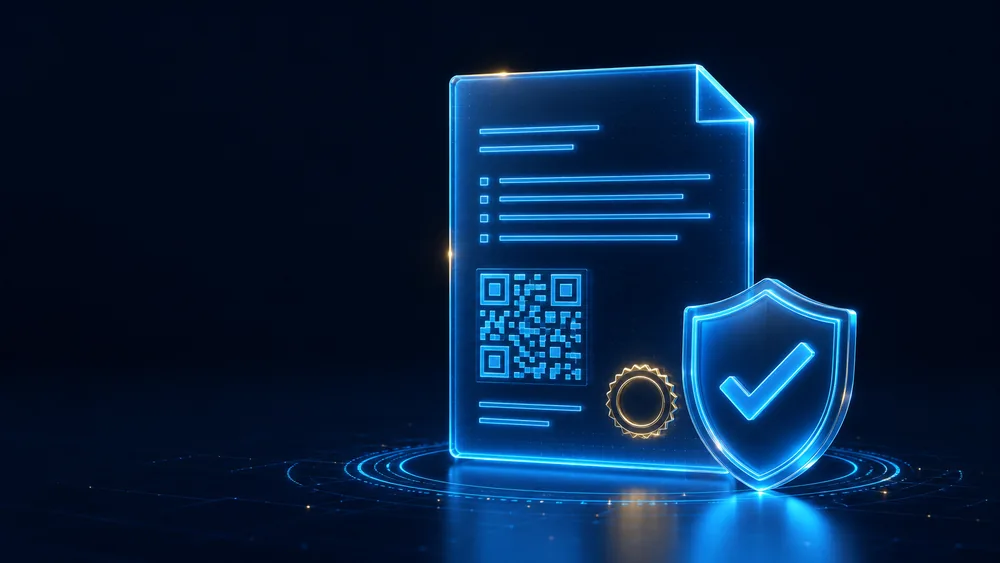
- A QR code carrying the required invoice details
- Secure integration with ZATCA’s systems through an approved interface
How to prepare
The obligations do not arrive for everyone at once. ZATCA has been notifying businesses in waves, based on turnover, with each wave given its own start date. Because thresholds and timing can change, the single most important step is to confirm your own wave and deadline directly with ZATCA rather than relying on general guidance.
Beyond that, preparation is mostly about your systems. Ask whether your current invoicing tool can produce compliant XML, apply the cryptographic stamp, and integrate securely with ZATCA. If invoicing lives in one place and your accounts in another, you will also want to be sure the two stay in step.
Why an integrated system helps
Compliance becomes far simpler when invoicing is not a bolt-on. In an integrated ERP such as Odoo, the invoice is created, stamped, cleared or reported, and posted to your accounts as one continuous process. There is no re-keying, no separate export, and no gap between what the tax authority sees and what your books record. When the rules are handled inside the system you already use to run the business, Phase 2 stops being a project and becomes routine.
Where Upward fits
At Upward Technologies, we help Saudi businesses align their Odoo setup with ZATCA’s Phase 2 requirements, from structured invoicing to secure integration, so that compliance runs quietly in the background. We are happy to help you check where you stand and confirm what your specific obligations look like.